
Les incontournables de la Destination Comminges Pyrénées à voir lors de votre séjour.

Visiter Boulogne sur Gesse
Un petit village Commingeois, dans un écrin de verdure ღ Ici, on prend le temps, on apprécie la douceur de...
Visiter Montréjeau
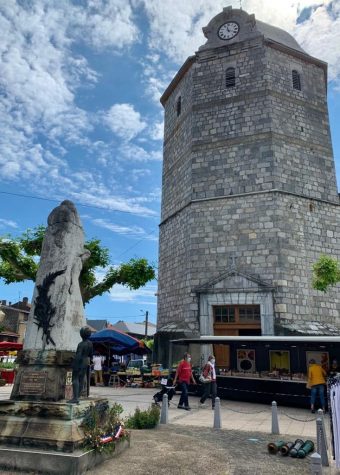
Que faire à Montréjeau ? Vous êtes de passage pour une journée ou pour un séjour ? Ce village des...

Visiter Saint-Gaudens
Que faire à Saint-Gaudens ? Vous êtes de passage dans la ville et vous souhaitez la découvrir, voici comment organiser...

Visiter L’Isle en Dodon
A 1h de Toulouse et des Pyrénées, le territoire de l’Isle-en-Dodon offre sur les hauteurs de ses coteaux une vue...
Visiter Aurignac
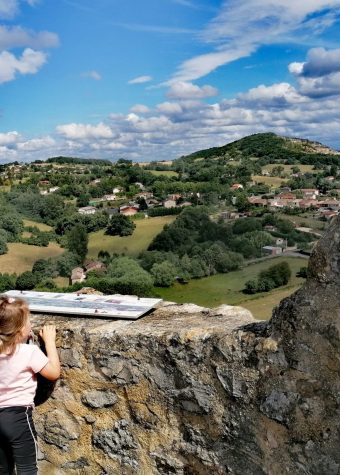
Laissez-vous séduire par le charme de cette cité médiévale : son château comtal et son donjon, la vieille église, les...
Saint-Bertrand-de-Comminges : Le Mont Saint-Michel des Pyrénées
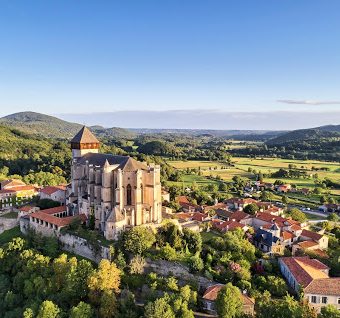
Visiter Saint-Bertrand-de-Comminges, c’est un peu comme faire un voyage dans le temps, à seulement 18 km de Saint-Gaudens. Surnommé le...

Musée de l’Aurignacien : le retour aux sources
Il y a 38000 ans à Aurignac... En préparant votre visite au Musée d’Aurignac, c’est toute une partie de notre...

La collégiale Saint-Pierre de Saint-Gaudens : sur les chemins de Saint-Jacques-de-Compostelle
Tous les habitants de Saint-Gaudens vous le diront : si vous ne devez visiter qu’un seul monument lors de votre...

Le Château de Valmirande : le petit Chambord des Pyrénées
A Montréjeau se trouve un véritable trésor, et bien chanceux sera celui qui arrivera à l’apercevoir depuis la route !...
L’Isle-en-Dodon, un village authentique au cœur du Comminges
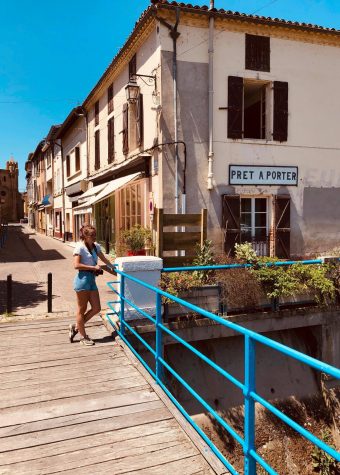
À mi-chemin entre Toulouse et les Pyrénées, le petit bourg de l’Isle-en-Dodon est le secret bien gardé des coteaux du...
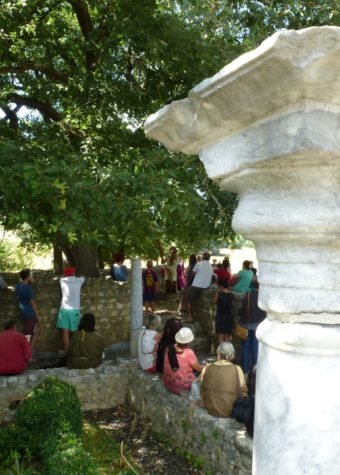
La villa de Montmaurin : la romaine du Comminges
A une vingtaine de minutes seulement de Saint-Gaudens, plongez tout droit dans l’Époque Antique, à la découverte de l’une des...
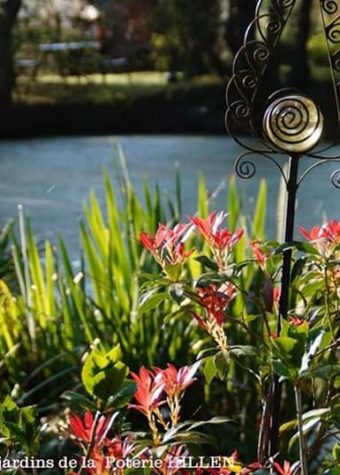
Les Jardins d’Hillen : l’Eden à deux pas de Boulogne-sur-Gesse
Pour les amoureux des plantes et de beaux jardins, la commune de Thermes Magnoac abrite un endroit particulièrement prisé !...

Visiter les grottes de Gargas : le petit Lascaux des Pyrénées
Amateurs de préhistoire ? Après votre passage au Musée de l’Aurignacien, direction les Grottes de Gargas. Même si vous êtes...
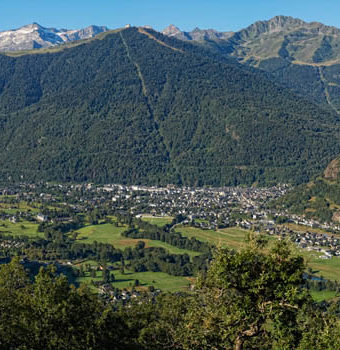
Bagnères-de-Luchon : Au coeur des Pyrénées
Dans les Pyrénées, lorsqu’on veut planifier un week-end de détente, la ville de Bagnères-de-Luchon arrive en première position et pour...

Les Explorateurs du Temps
Préparez-vous à vivre une expérience hors du temps ! Muni d'un casque de réalité augmentée, plongez dans un monde virtuel...
Rechercher